Software designed around your business.
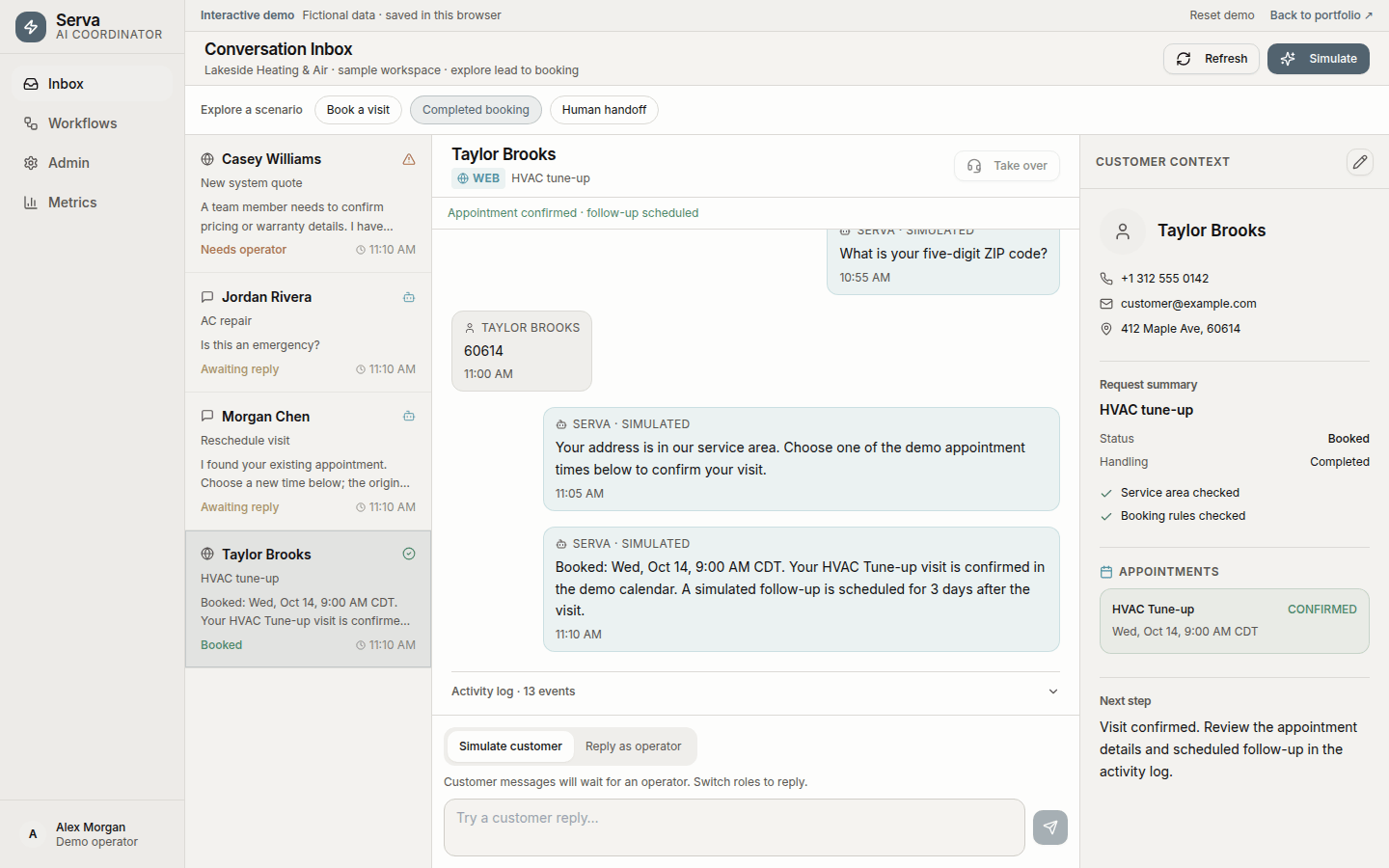
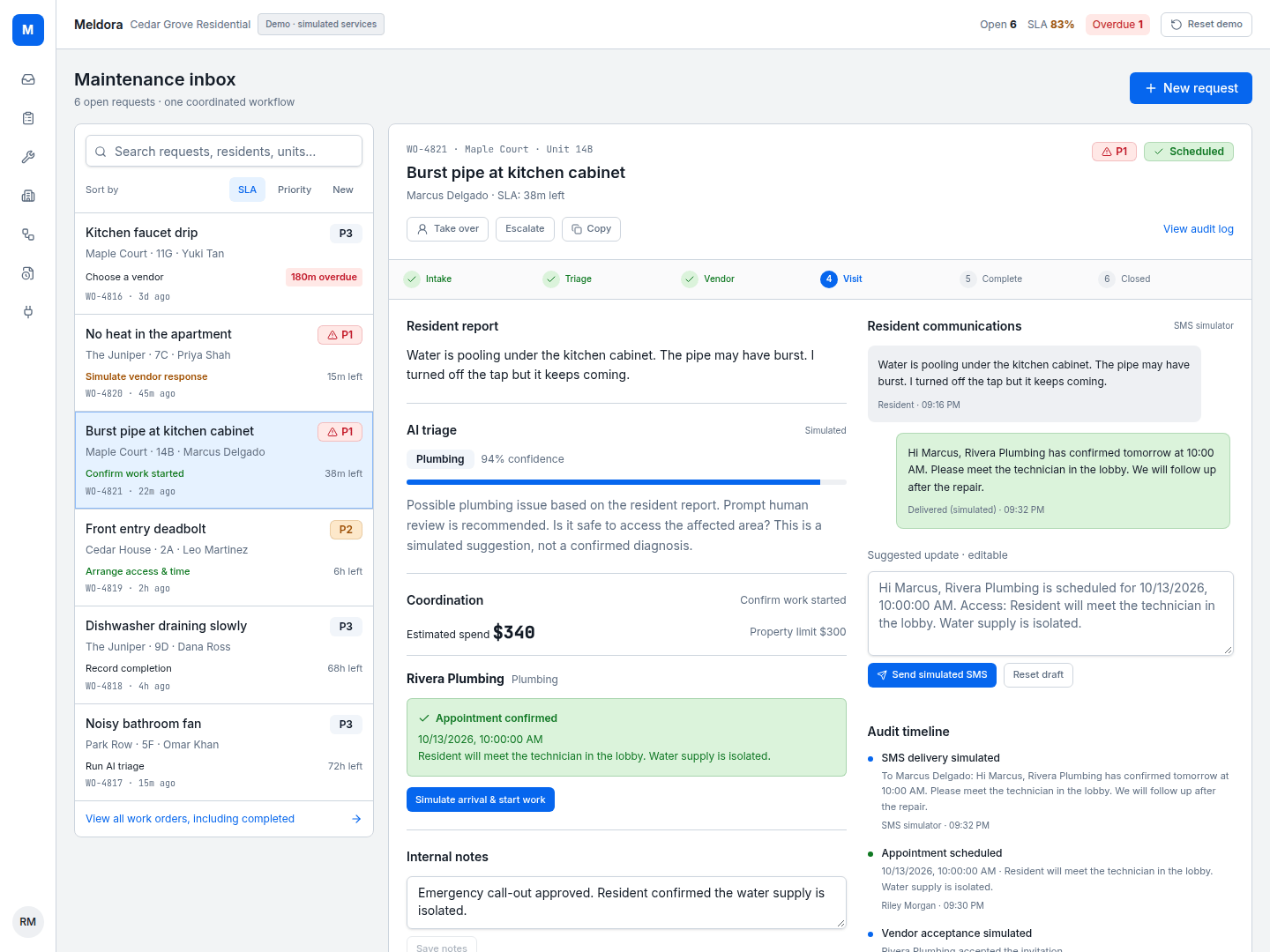
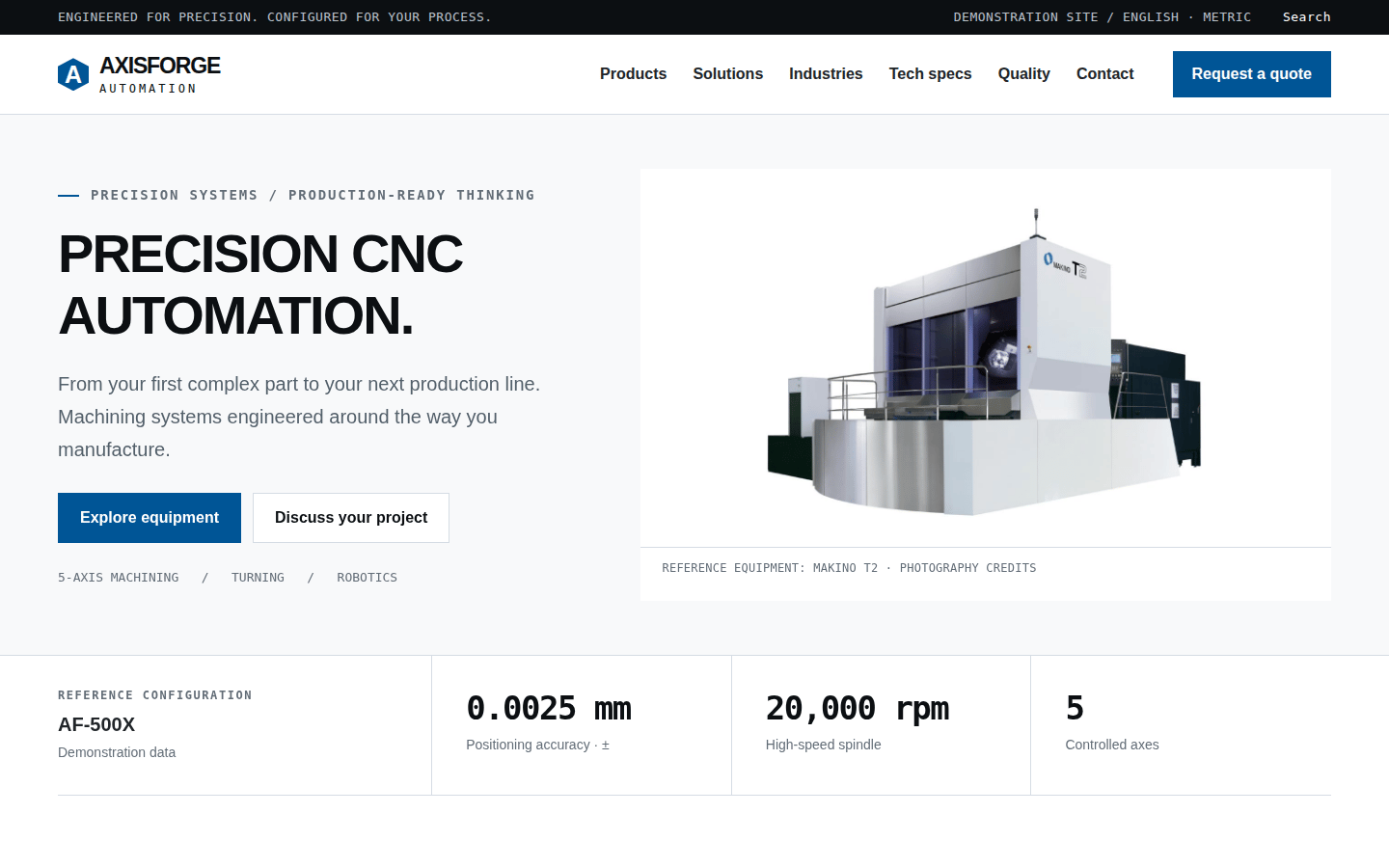
We design and build websites, business applications, and AI workflows around your needs and existing systems.
- Review requirementsrunningAssess the requirements, use cases, and business rules you provide.
- 02Design and validatequeuedUse an interactive prototype to validate the workflows you specify.
- 03Build and integratequeuedDevelop agreed features and connect systems and tools.
- 04Test and hand overqueuedValidate workflows and hand over the agreed deliverables.
Services
From business requirements to working software.
AI Workflows & Automation
Connect AI capabilities with your business tools and processes to handle information, coordinate tasks, and automate routine work—with checks and human oversight where needed.
- AI-assisted information processing and content generation
- Tool use and cross-system coordination
- Access controls and result validation
- Monitoring and human intervention
Websites & Ecommerce
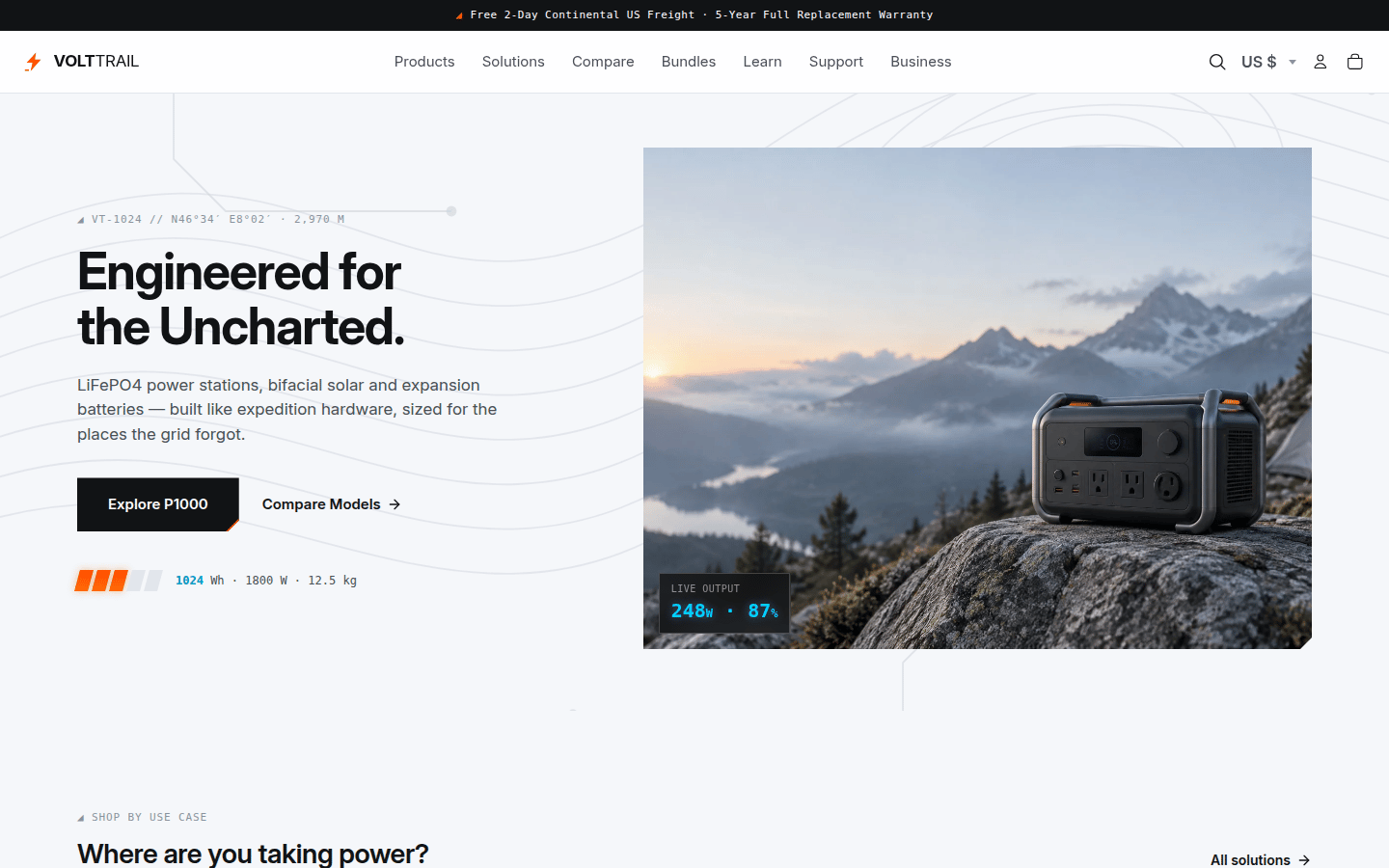
Websites and online stores designed around your products, customers, and sales process, with custom features and connections to the systems you use.
- Website design and custom functionality
- Product presentation, inquiries, and online sales
- Multilingual and market-specific configuration
- Performance, technical SEO, and analytics
Custom Software Development
Custom applications for specialized business processes, new software products, and operations that span multiple systems. We also extend or modernize existing software.
- Applications for specialized business processes
- Interactive prototypes and workflow validation
- System integration and tool coordination
- Existing system modernization and extension
Portfolio
Selected work
How we work
From requirements to launch
- Phase 01
Requirements review & planning
- Review the requirements and business information you provide
- Assess technical feasibility and clarify open questions
- Agree on implementation scope and acceptance criteria
DeliverableImplementation plan and acceptance criteria - Phase 02
Development & integration
- Build the agreed functionality
- Connect the required systems
- Demonstrate progress at project milestones
DeliverableWorking versions for review - Phase 03
Testing & refinement
- Test the agreed workflows and exception handling
- Resolve issues
- Verify results against acceptance criteria
DeliverableTest results and a verified release - Phase 04
Delivery & handover
- Deliver the agreed project outputs
- Provide supporting documentation and a walkthrough
- Handle deployment where included in the project scope
DeliverableAgreed project deliverables and supporting documentation
Engineering standards
Built for today, with room to evolve.
Technical decisions should support your current requirements while accounting for maintenance, integration, and future changes.
Technology that fits
We choose tools and platforms based on your requirements, existing systems, and maintenance capacity, considering both implementation and ongoing costs.
Clear system design
We define how components interact, how data moves, and how exceptions are handled, making the system easier to maintain and troubleshoot.
Room for change
We account for foreseeable changes in features and integrations, with flexibility guided by your business plans.
Discuss your project with us
Share your project goals, key use cases, and functional requirements so we can assess the implementation approach.
Or email directly:contact@sparkenta.com